Product Category

DC Circuit Protection

Explore UHCCY DC circuit protection solutions for photovoltaic, energy storage and other low-voltage DC power systems. Select the appropriate product family according to the required protection function, system voltage and application.

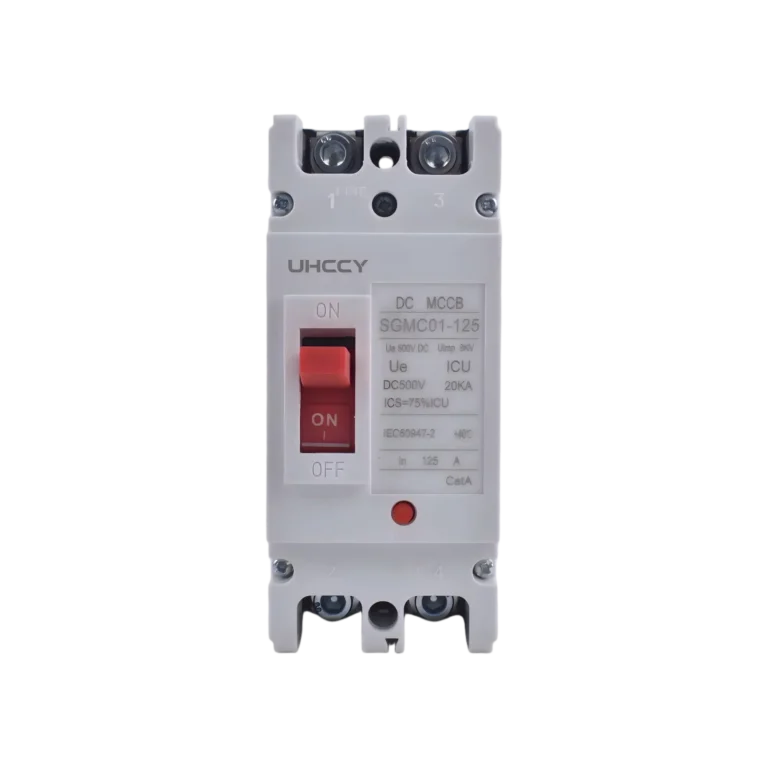
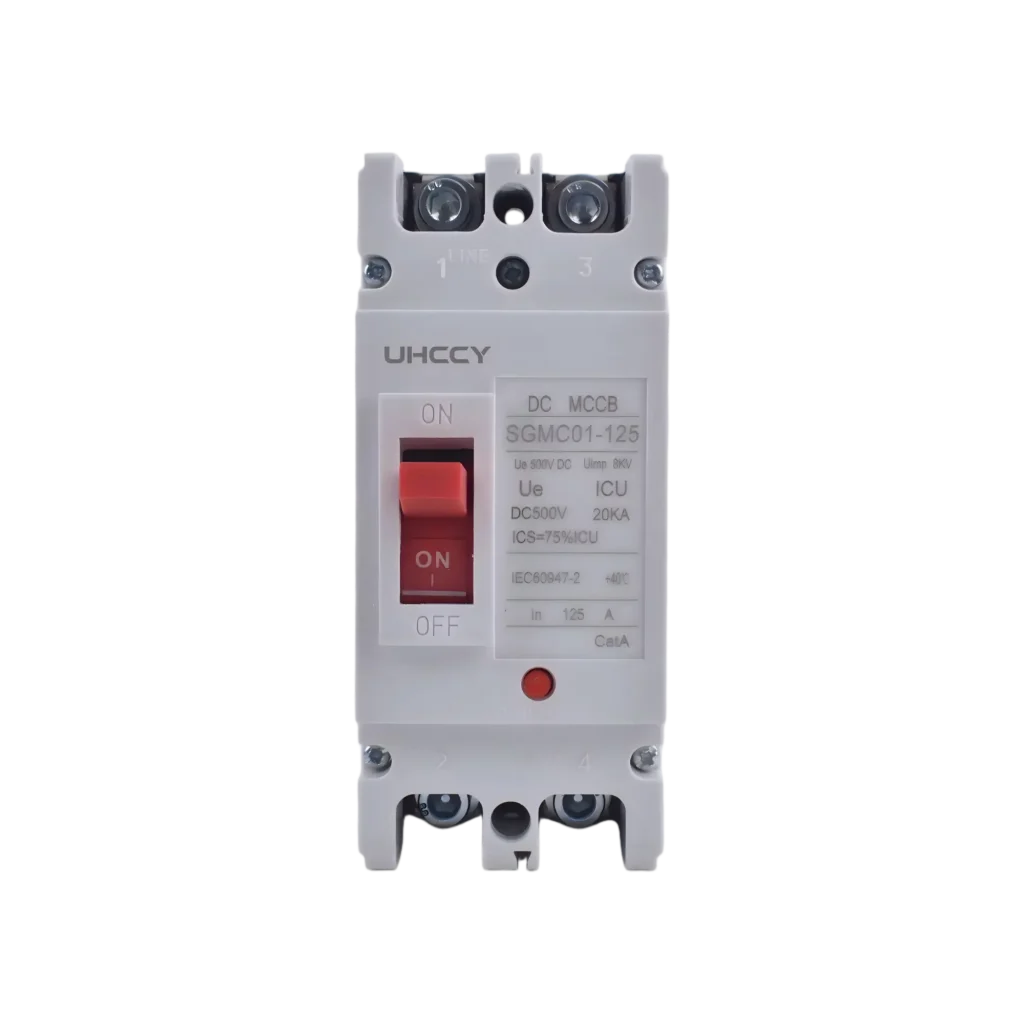
500V DC MCCB UH-DG-MC01

Explore

Product Categories

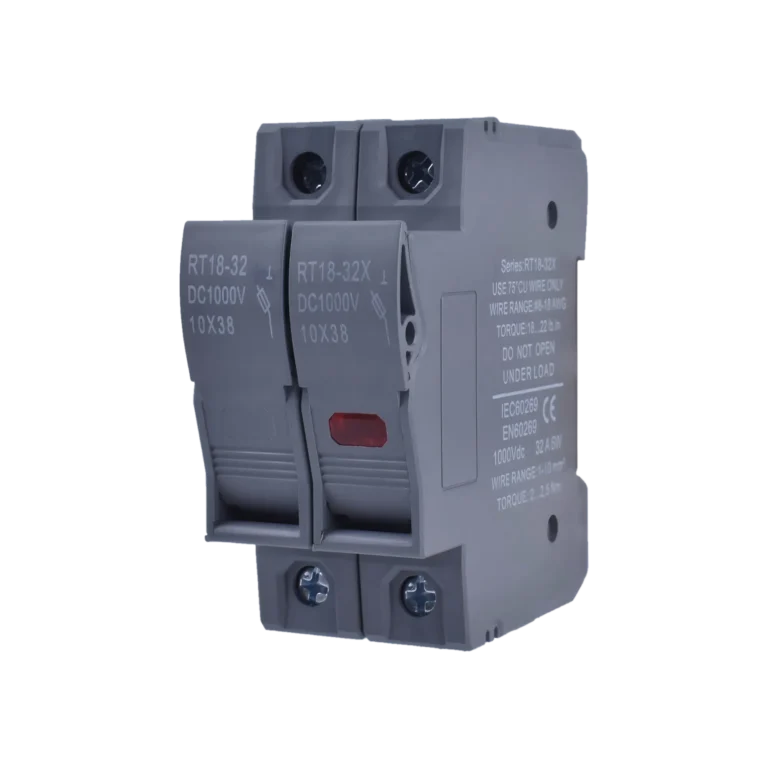
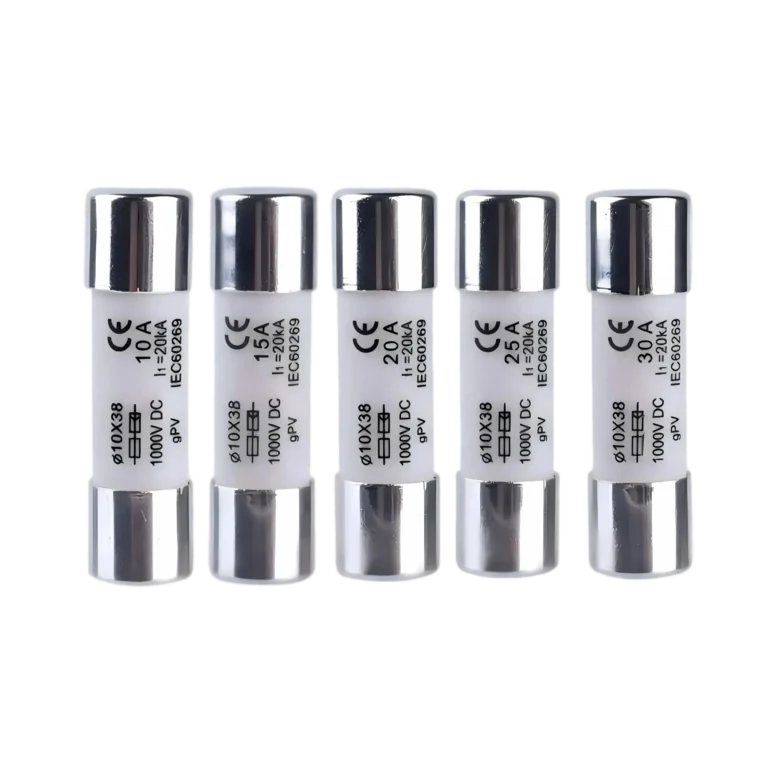
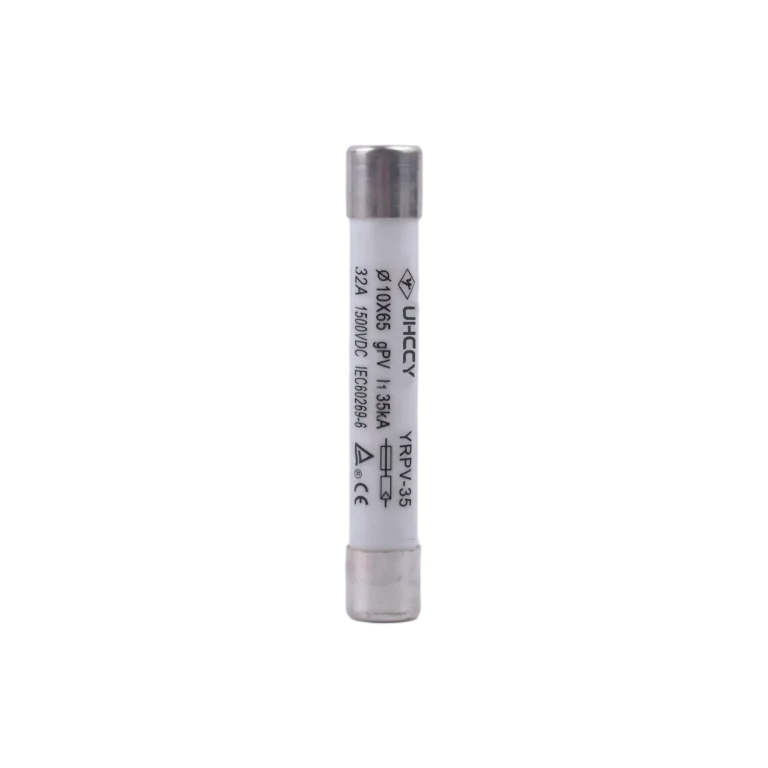
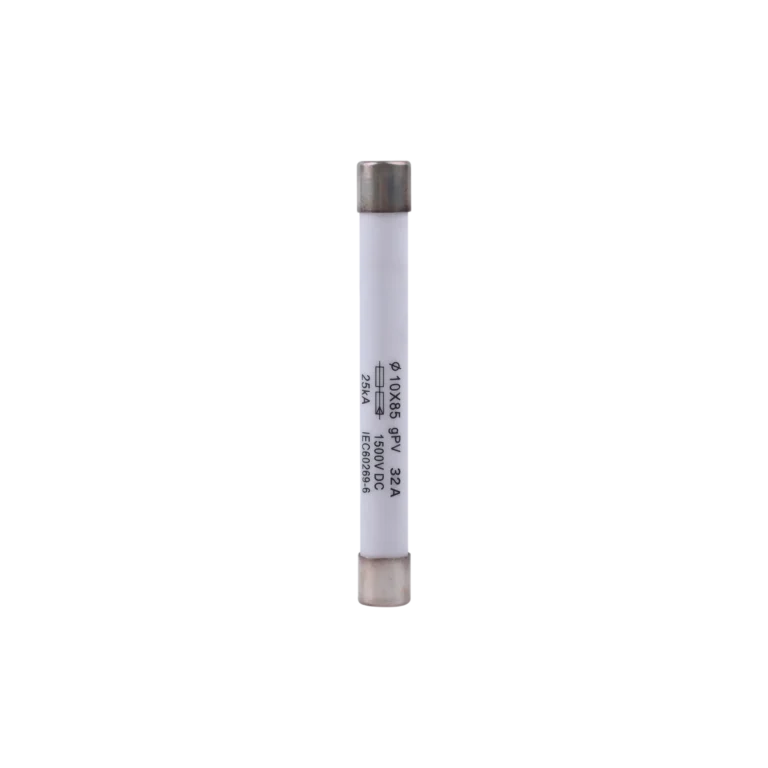
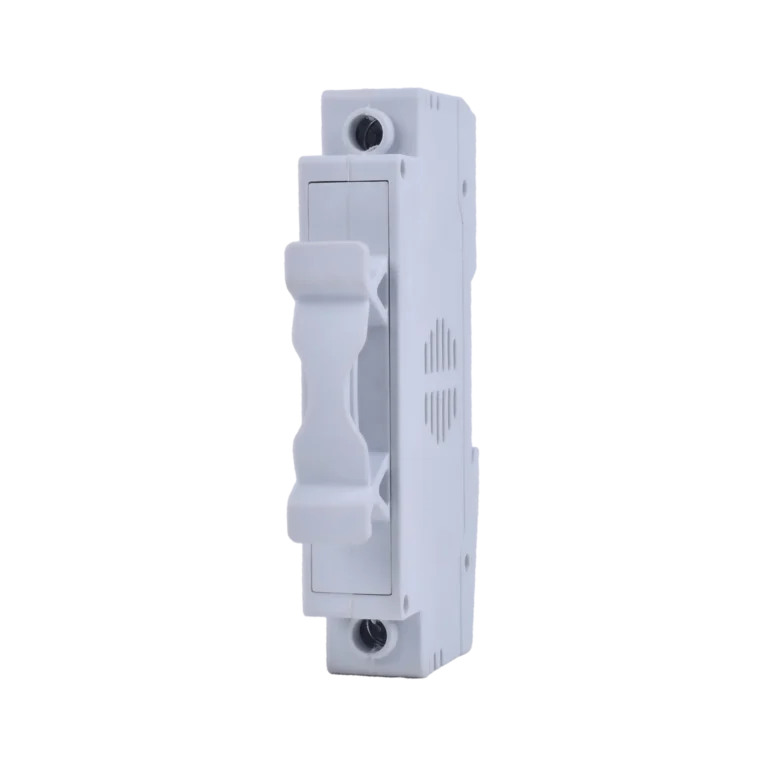
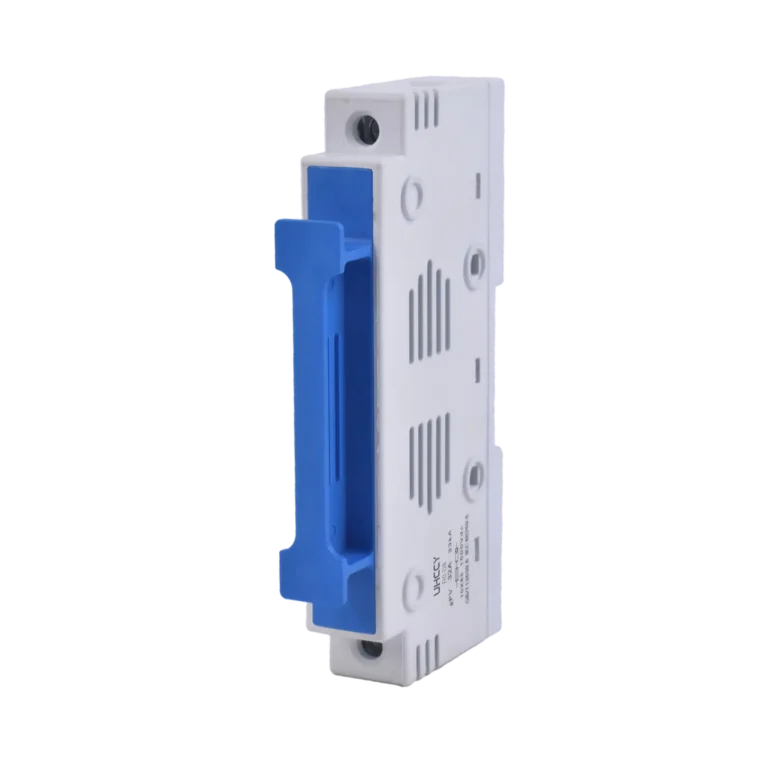
DC Fuse

UHCCY DC fuses and fuse holders are designed for overcurrent and short-circuit protection in 1000V and 1500V photovoltaic DC systems. Available gPV fuse links and DIN-rail fuse holders support different current ratings, fuse sizes, pole configurations, and solar protection requirements.

View Products

Product Range

UHCCY DC Circuit Protection Products

Browse available models here, then use the comparison table below to compare family-level specifications.

Overview

About DC Circuit Protection

DC circuit protection devices for photovoltaic, energy storage and other low-voltage DC systems, covering overcurrent, short-circuit and surge protection requirements.

DC Circuit Protection for Modern Power Systems

DC circuit protection devices help protect conductors, equipment and electrical systems against abnormal conditions occurring in direct-current circuits.

They are widely used in photovoltaic systems, battery and energy storage equipment, DC distribution systems, telecommunications equipment and other applications where electrical power is distributed or controlled in DC form.

Depending on the system, different protective devices may be required for overload, short-circuit and transient overvoltage protection. UHCCY organizes these devices into dedicated product families so buyers can select the appropriate protection technology for each part of the DC system.

Why DC Protection Requires Dedicated Devices

Direct-current circuits behave differently from alternating-current circuits during switching and fault interruption.

In an AC circuit, the current naturally passes through zero during each electrical cycle, which assists arc extinction. DC current does not have the same periodic natural current zero. As a result, interrupting a DC fault can place different requirements on the switching mechanism and arc-control design of the protective device.

For this reason, important parameters such as:

  • rated DC voltage;
  • rated current;
  • breaking capacity;
  • number of poles;
  • connection configuration;
  • polarity requirements where applicable;
  • and device application

must be verified specifically for DC operation.

An AC-rated protective device should not be assumed to be suitable for a DC circuit unless the manufacturer specifically provides the required DC ratings and connection configuration.

Main DC Protection Functions

Overcurrent and Short-Circuit Protection

DC circuit breakers and fuses can protect circuits against excessive current caused by overloads or short circuits.

The appropriate device depends on system voltage, operating current, prospective fault current, conductor characteristics and the type of equipment being protected.

Circuit breakers provide resettable protection, while fuse systems use replaceable fuse-links designed for their specified operating conditions.

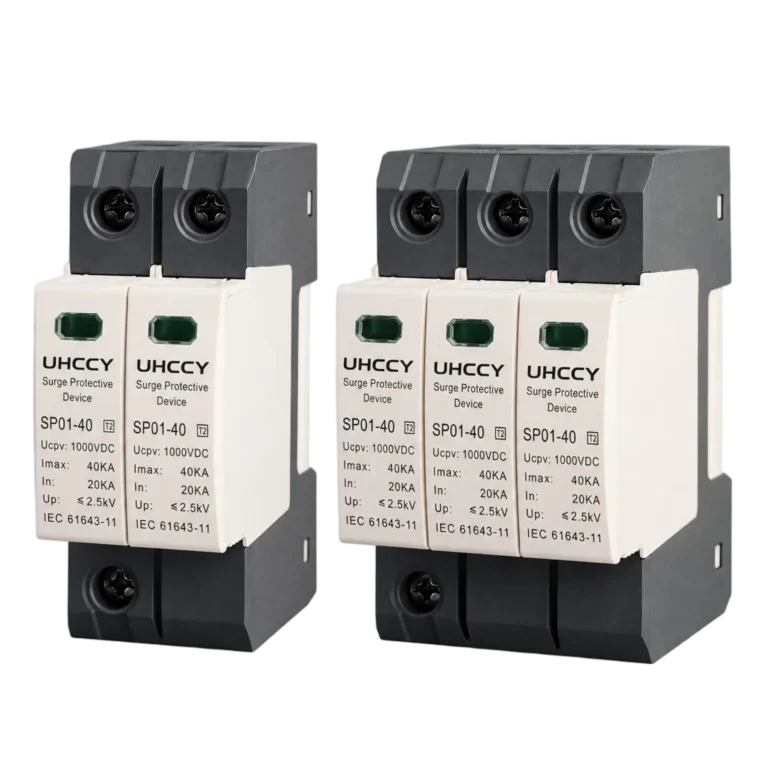
Surge Protection

DC surge protective devices help limit transient overvoltages that could damage sensitive equipment.

Surge protection is particularly important in photovoltaic installations, where long external cable routes and exposure to lightning-related disturbances can increase the risk of transient overvoltage.

The correct SPD depends on the system architecture, maximum continuous operating voltage, installation location and required surge protection level.

Choose the Protection Function First

Different DC protection devices perform different functions and should not be treated as interchangeable.

Start by determining what must be protected and against which electrical condition. Then select the relevant UHCCY product family before comparing individual voltage ratings, current ratings, poles and other specifications.

Detailed technical parameters, selection criteria and model comparisons are provided on the corresponding product-family and individual product pages.

Key Advantages

Why Choose UHCCY DC Circuit Protection

DC-Specific Protection

Protection devices designed for the electrical characteristics and switching requirements of direct-current systems.

Multiple Protection Functions

Product families cover common DC protection requirements including overload, short-circuit and transient overvoltage protection.

High-Voltage DC Applications

Solutions are available for modern photovoltaic and other DC distribution architectures requiring dedicated DC-rated protective devices.

Flexible System Integration

Suitable for combiner boxes, distribution boards, inverter systems, battery systems and OEM electrical equipment.

Application-Based Selection

Different product families allow protection devices to be selected according to system voltage, current, fault level and installation requirements.

OEM & B2B Support

UHCCY supports distributors, system integrators and equipment manufacturers with product selection, branding, packaging and project requirements.

Use Cases

DC Circuit Protection Applications

Solar PV Systems

DC protection for photovoltaic strings, arrays, combiner boxes, inverter inputs and other applicable DC-side circuits.

Energy Storage Systems

Protection components for applicable battery, inverter and DC distribution circuits within energy storage installations.

DC Distribution

Protective devices for dedicated DC distribution boards and low-voltage DC power systems.

Industrial Equipment

DC circuit protection for control systems, machinery, automation equipment and industrial power applications.

Telecommunications

Protection for applicable DC power supplies, backup systems and telecommunications infrastructure.

OEM Electrical Equipment

DC protective components for manufacturers integrating circuit protection into electrical equipment, power conversion systems and customized assemblies.

Compliance

Certifications & Standards

Applicable standards depend on the protection function, device type and intended DC application.

Common international standards associated with DC circuit protection include:

  • IEC 60947-2 — requirements for low-voltage circuit breakers, including circuit breakers with specified DC ratings;
  • IEC 60269-6 — supplementary requirements for fuse-links used for the protection of photovoltaic strings and arrays;
  • IEC 61643-31 — requirements and test methods for surge protective devices intended for the DC side of photovoltaic installations.

The applicable standard, test scope, certification and rated DC performance must be verified for the individual UHCCY product and model.

Compliance with a standard for one product family should not be assumed to apply to every device within the DC Circuit Protection category. For project or regulatory requirements, refer to the corresponding product documentation or request model-specific information from UHCCY.

FAQ

Frequently Asked Questions

Common technical and purchasing questions about this product category.

What is DC circuit protection?

DC circuit protection refers to devices designed to protect direct-current electrical systems against abnormal conditions such as overload, short circuit and transient overvoltage.

Why are special protection devices required for DC circuits?

DC circuits have different interruption characteristics from AC circuits because direct current does not naturally pass through zero during each electrical cycle. Protective devices therefore need appropriate DC voltage ratings, breaking capability and switching designs for their intended application.

What types of DC circuit protection devices are available?

Common DC protection products include DC circuit breakers, DC fuses and DC surge protective devices. Each performs a different protection function and should be selected according to the electrical system and application.

Can an AC circuit breaker be used in a DC circuit?

Only when the manufacturer specifically provides suitable DC ratings and connection instructions for that device. An AC rating alone does not demonstrate that a circuit breaker is suitable for the required DC voltage and fault conditions.

Where are DC protection devices commonly used?

Typical applications include photovoltaic installations, battery energy storage systems, DC distribution, telecommunications equipment, industrial control systems and other electrical equipment using DC power.

How do I choose a DC circuit protection device?

First determine the required protection function. Then consider the system DC voltage, operating current, fault level, number of poles, equipment being protected and applicable standards. Exact ratings should be selected from the corresponding UHCCY product-family page.

Need Reliable DC Circuit Protection?

Contact UHCCY for model selection, technical specifications, OEM/ODM requirements, samples, and quotations.

Get A Quote