Product Category

Solar PV Cable 1000V & 1500V – 2.5 to 10 mm²

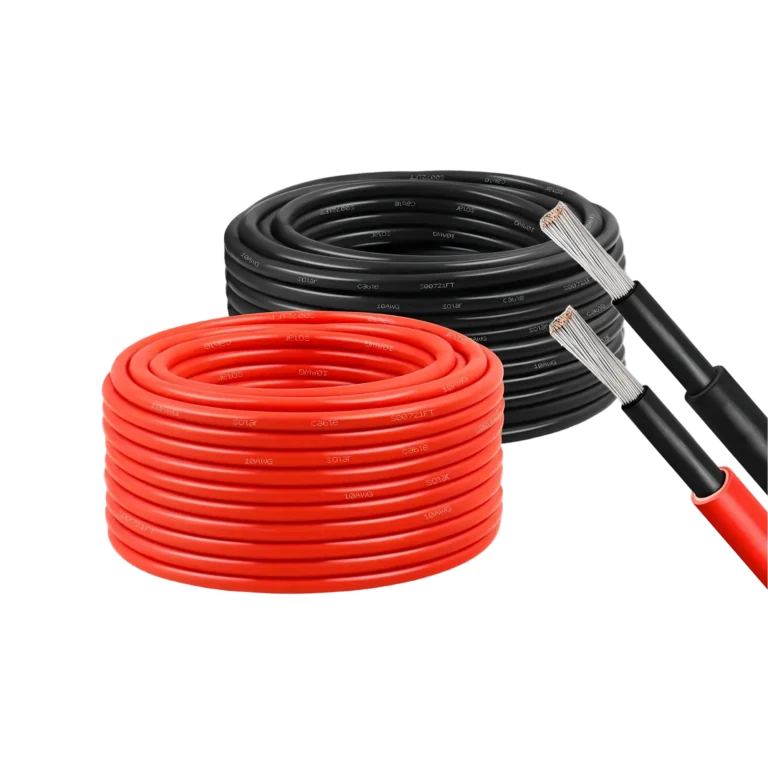
UHCCY solar cables are designed for reliable DC power transmission between PV modules, combiner boxes, and inverters. Multiple conductor cross-sections, cable colors, reel lengths, marking options, and OEM configurations are available for residential, commercial, and utility-scale photovoltaic installations.

Solar Cable UH-PC-SC

Product Range

UHCCY Solar Cable Products

Browse available models here, then use the comparison table below to compare family-level specifications.

Overview

About Solar Cable

UHCCY solar cables provide reliable DC connections for photovoltaic systems, with multiple cable sizes, colors, reel lengths, and OEM options available.

Solar Cable for Photovoltaic DC Systems

Solar cable provides the electrical connection between photovoltaic modules and other DC components within a PV system.

Unlike general indoor electrical wire, photovoltaic cable can be exposed for long periods to sunlight, temperature changes, moisture, mechanical stress, and outdoor environmental conditions. Cable construction, insulation, sheath materials, voltage rating, conductor size, and installation conditions therefore need to be considered together.

UHCCY supplies solar cable for photovoltaic string wiring, array connections, combiner boxes, inverter DC inputs, and other PV power transmission applications.

Rather than treating every cable size and color as a separate product, UHCCY solar cable is supplied as a configurable product family, allowing customers to select the appropriate conductor cross-section, color, reel length, standard, and packaging according to project requirements.

Solar Cable Construction

A typical photovoltaic cable consists of:

Conductor
Flexible stranded conductor for electrical current transmission.

Insulation
Electrical insulation surrounding the conductor.

Outer Sheath
Protective outer layer designed according to the applicable cable construction and environmental requirements.

For standard European-type photovoltaic cable, H1Z2Z2-K is a widely used designation for flexible, single-core, cross-linked photovoltaic cable.

EN 50618 applies to low-smoke, halogen-free, flexible, single-core PV power cables with cross-linked insulation and sheath for DC systems up to 1.5 kV.

IEC 62930 likewise covers single-core cross-linked insulated PV cables for systems with rated voltages up to and including 1.5 kV DC.

Single-Core Cable and Stranded Conductor

These two terms describe different characteristics of the cable.

A single-core cable contains one electrical conductor path inside the cable.

A stranded conductor means that the conductor itself consists of multiple smaller wires rather than one solid metal conductor.

Standard flexible PV cable therefore commonly combines:

Single-core cable + stranded conductor

This structure provides the flexibility required for routing and termination in photovoltaic installations.

If UHCCY later offers twin-core or other special cable constructions, these can be added as separate selectable configurations.

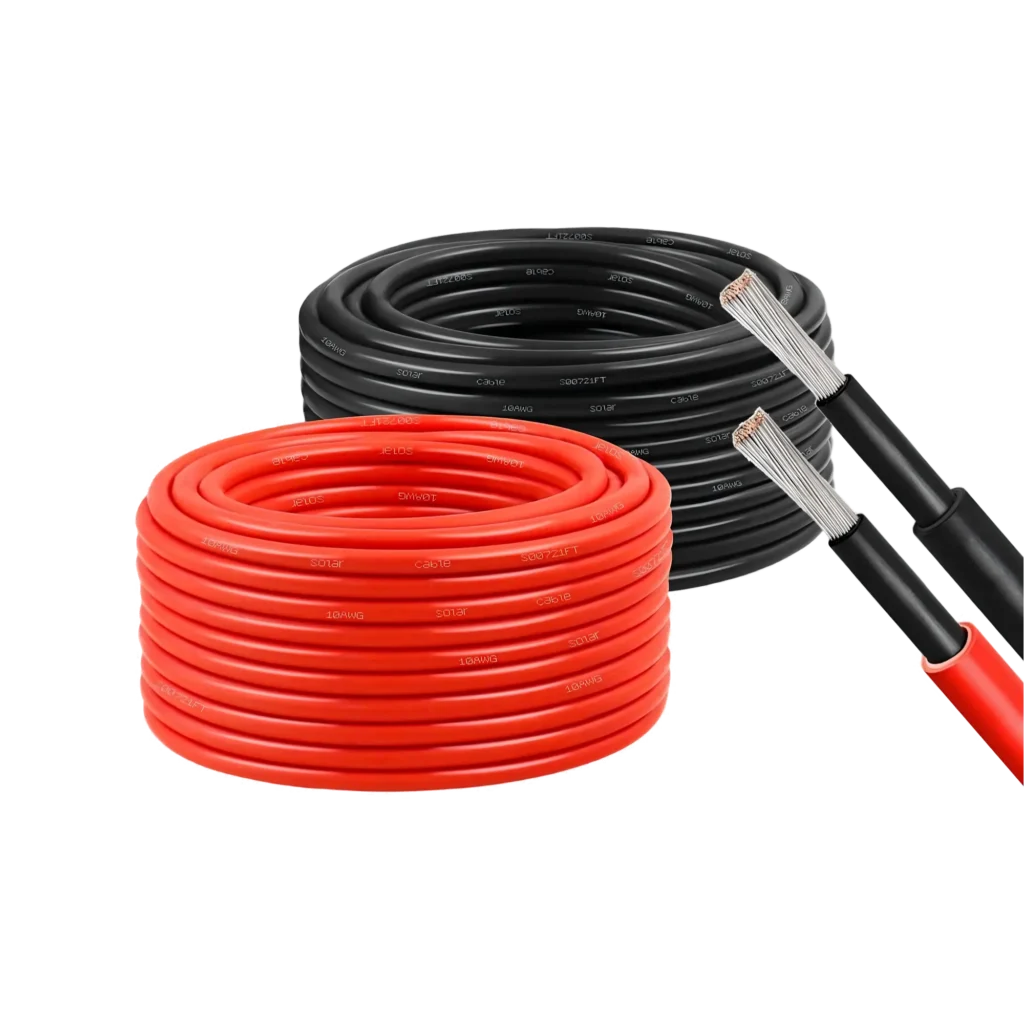
Bulk Reel Supply for Solar Projects

Solar cable is typically required in substantial lengths rather than as individual short products.

UHCCY can therefore supply cable by complete:

  • Coil
  • Reel
  • Drum
  • Custom bulk length

depending on cable size and order quantity.

This supply format is particularly suitable for:

  • Distributors
  • Solar installers
  • EPC contractors
  • Cable assemblers
  • PV equipment manufacturers
  • OEM customers

Custom reel length, packaging, cable marking, and private-label requirements can be discussed during quotation.

Key Advantages

Why Choose UHCCY Solar Cable

1500V DC PV Applications

Available cable configurations can support modern photovoltaic systems operating at DC voltages up to 1500V where the applicable cable specification permits.

Flexible Stranded Conductor

Flexible stranded conductor construction supports easier routing, termination, and installation in photovoltaic systems.

Outdoor PV Cable Construction

Suitable PV cable configurations are designed for prolonged outdoor exposure and demanding solar installation environments.

Multiple Cable Sizes

Different conductor cross-sections are available to meet current-carrying capacity, voltage-drop, cable-length, and installation requirements.

Full-Reel & Bulk Supply

Solar cable can be supplied by complete coil, reel, or drum for installers, distributors, EPC contractors, and wholesale customers.

OEM Cable Solutions

Cable color, reel length, surface printing, packaging, branding, and other configurations can be customized according to order requirements.

Technical Data

Technical Specifications

Family-wide ratings and shared technical ranges for preliminary selection.

General Specifications

ParameterFamily Range / Value
Product TypeSolar Photovoltaic Cable
Product FamilyUH-PC-SC
Rated VoltageUp to 1.5 kV DC, depending on applicable standard
Core ConfigurationSingle-Core
ConductorFlexible Stranded Tinned Copper, where specified
Cross-Section2.5 / 4 / 6 / 10 mm²; other options on request
InsulationCross-Linked Compound, specification dependent
Outer SheathCross-Linked Compound, specification dependent
Cable DesignationH1Z2Z2-K where applicable
StandardIEC 62930 / EN 50618 where applicable
Maximum Normal Conductor Temperature90°C for applicable IEC 62930 / EN 50618 cables
Elevated Temperature OperationUp to 120°C for limited periods under applicable standard conditions
ColorBlack / Red / Custom
InstallationIndoor / Outdoor PV applications according to cable rating
PackagingCoil / Reel / Drum
Reel LengthStandard / Custom
OEMCable marking, reel, packaging and branding available

Solar Cable Configurations

SKUVoltageConductor SizeTypical Application
UH-PC-SC01-251000V / 1500V2.5 mm²Light-current PV connection
UH-PC-SC01-401000V / 1500V4 mm²Standard PV string cabling
UH-PC-SC01-601000V / 1500V6 mm²Higher-current PV cabling
UH-PC-SC01-1001000V / 1500V10 mm²Larger conductor applications

Selection Guide

Choose Solar Cable by Conductor Size

How to Choose Solar Cable

1. Determine the Required Cable Standard

The required cable construction and certification may depend on the destination market and project specification.

Common photovoltaic cable requirements include:

  • IEC 62930
  • EN 50618 / H1Z2Z2-K
  • UL 4703 for applicable North American PV wire

Certification should always be verified against the exact cable supplied.

2. Select the Conductor Cross-Section

Cable cross-section should be selected according to:

  • Operating current
  • Cable length
  • Permissible voltage drop
  • Installation method
  • Ambient temperature
  • Cable grouping
  • Project requirements
  • Applicable electrical regulations

Common photovoltaic cable cross-sections include:

2.5 mm² / 4 mm² / 6 mm² / 10 mm²

but the correct size must be calculated for the actual installation.

Do not select cable size solely based on inverter or module power.

3. Check the Maximum DC Voltage

The cable voltage rating must be suitable for the maximum PV system voltage.

For modern high-voltage solar arrays, suitable cable configurations are available for systems up to 1500V DC.

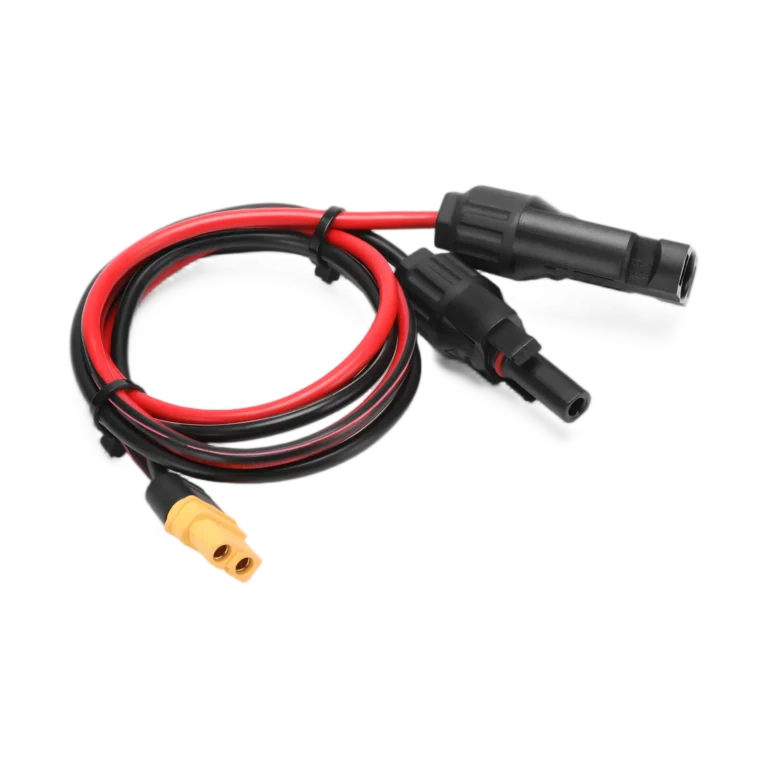
4. Confirm Cable and Connector Compatibility

Cable compatibility with the PV connector is determined by more than conductor cross-section.

Check both:

  • Conductor cross-section
  • Cable outer diameter

against the connector terminal and cable gland specifications.

A 6 mm² cable should not automatically be assumed compatible with every connector labelled for 6 mm² cable.

5. Choose Cable Color

Black and red are commonly used to assist DC circuit identification.

Final color selection should follow project specifications and applicable local wiring practices.

OEM cable colors may be available depending on order quantity.

6. Select Reel Length and Packaging

For wholesale and project orders, select the required:

  • Cable size
  • Color
  • Reel or drum length
  • Number of reels
  • Total cable quantity
  • Packaging method

Custom cable marking and private-label packaging can also be specified during quotation.

Use Cases

Solar Cable Applications

Residential Solar Systems

DC cable connections between rooftop PV modules, strings, isolators, and residential solar inverters.

Commercial & Industrial PV

Solar cable for larger rooftop and ground-mounted commercial photovoltaic systems requiring longer string and array wiring.

Utility-Scale Solar Farms

Bulk cable supply for large photovoltaic arrays, combiner boxes, inverter stations, and other utility-scale DC wiring.

PV String & Inverter Connections

Connections between PV modules, string circuits, combiner equipment, and inverter DC inputs.

Installation

Installation & Compatibility

Cable Selection & Installation Guidance

Select the cable cross-section according to current, voltage drop, cable length, ambient temperature, installation method, and applicable electrical requirements.

Verify that the cable voltage rating is suitable for the maximum DC voltage of the photovoltaic system.

Use PV connectors that are compatible with both the cable conductor cross-section and finished cable outer diameter.

Use appropriate photovoltaic cable cutters, stripping tools, and crimping tools when preparing connector terminations.

Avoid damaging conductor strands when removing cable insulation.

Observe the minimum bending radius specified for the actual cable during routing and installation.

Avoid excessive pulling force, sharp edges, crushing, and unnecessary mechanical stress.

Secure cable routing to prevent prolonged abrasion or contact with unsuitable surfaces.

Where cables are exposed outdoors, use products and installation methods suitable for the expected UV, moisture, temperature, and environmental conditions.

Maintain correct DC polarity and follow applicable project identification requirements.

Electrical installation and termination should be carried out according to the applicable system design, connector instructions, and local electrical requirements.

Compliance

Certifications & Standards

Type Standard / Certification Relevance
International PV Cable Standard IEC 62930:2017 Single-core PV cables for systems up to 1.5 kV DC
European PV Cable Standard EN 50618:2014 Flexible single-core photovoltaic cables; associated with H1Z2Z2-K construction
North American PV Wire Standard UL 4703 Photovoltaic wire for applicable North American products
Product Certification TÜV / VDE / UL Display only for cable variants supported by valid certification
Environmental Compliance RoHS / REACH Display only where supported by applicable documentation

IEC currently lists IEC 62930:2017 as the international PV cable standard, with a stability date through 2028.

BSI currently lists BS EN 50618:2014 as Current.

UL identifies UL 4703 as the standard used for Photovoltaic Wire.

FAQ

Frequently Asked Questions

Common technical and purchasing questions about this product category.

What is solar cable?

Solar cable is electrical cable specifically designed for DC wiring in photovoltaic systems.

It is commonly used between PV modules, string circuits, combiner equipment, and solar inverters and is designed according to applicable requirements for voltage, insulation, mechanical properties, and outdoor operating conditions.

What is H1Z2Z2-K solar cable?

H1Z2Z2-K is a commonly used European designation for flexible, single-core photovoltaic cable with cross-linked insulation and sheath.

It is associated with cable constructions meeting EN 50618 requirements for photovoltaic DC systems.

What is the difference between 4 mm² and 6 mm² solar cable?

The main difference is conductor cross-sectional area.

A larger cross-section generally provides lower electrical resistance and may support greater current or reduce voltage drop, but the correct size depends on circuit current, cable length, installation conditions, temperature, and applicable electrical requirements.

Is solar cable single-core or multi-core?

Standard photovoltaic cable such as common H1Z2Z2-K cable is typically single-core.

However, the conductor inside the cable is normally flexible and consists of multiple strands.

Therefore, single-core cable does not mean solid single-strand conductor.

Can solar cable be used with MC4 connectors?

Yes, provided that the cable conductor cross-section and finished outer diameter fall within the allowable range of the specific connector.

Both the connector contact and sealing gland compatibility should be checked before assembly.

How do I choose the correct solar cable size?

Calculate the required size according to operating current, allowable voltage drop, circuit length, ambient temperature, cable grouping, installation method, and applicable regulations.

Common 4 mm² or 6 mm² sizes should not be selected solely because they are widely used.

Is solar cable suitable for 1500V DC systems?

Solar cables designed and rated according to applicable 1500V DC photovoltaic cable requirements can be used in corresponding systems.

The actual cable marking and certification should always be verified before installation.

What colors of solar cable are available?

Black and red are common configurations for photovoltaic DC wiring.

Other colors may be available depending on order quantity, cable construction, and OEM requirements.

How is UHCCY solar cable supplied?

UHCCY solar cable is intended primarily for wholesale, project, and OEM supply and can be supplied by complete coil, reel, or drum.

Available reel length, cable size, color, surface marking, and packaging can be confirmed according to order requirements.

Can UHCCY customize solar cable?

Yes. Depending on order quantity and technical requirements, customization can include cable size, color, reel length, printing, packaging, and private-label branding.

Technical standards and certification requirements should be confirmed before production.

Need Reliable Solar Cable?

Contact UHCCY for model selection, technical specifications, OEM/ODM requirements, samples, and quotations.

Get A Quote